5 Key Messages (ASL)
1. Heart disease is on the rise and is the leading cause of death for women worldwide.
2. Heart attack symptoms are not recognized in over 50% of women.
3+
Women are more likely to present with 3 or more symptoms in addition to chest pain.
If you think someone is having a heart attack, seek immediate medical attention.
Symptoms of Heart Attack Most Often Reported by Women
- Chest pain or discomfort (ex. pressure, tightness, or burning)
- Pain in the jaw, neck, arm, or back
- Abnormal excessive sweating
- Shortness of breath
- Stomach pain or discomfort, or feelings of nausea or indigestion
Other Accompanying or Associated Symptoms
- Unusual weakness or fatigue
- Back, shoulder or right arm pain
- Sleep disturbance
- Dizziness or light-headedness
- Fast or irregular heartbeat
3. The types of heart disease can be different from women than men.
Some health providers may be less aware of the differences between women and men.
Common Types of Heart Disease:
- Coronary artery disease
- Valvular heart disease
- Arrhythmia (irregular heart beat)
Women Are More Likely Than Men to Have:
- Spontaneous coronary artery dissection (SCAD)
- Coronary vasospasm
- Microvascular dysfunction (small-vessel disease)
- Takotsubo (stress-induced) cardiomyopathy (disease of the heart muscle)
- Peripartum cardiomyopathy (weakened heart during or after pregnancy)
4. Women can be at greater risk for heart disease than men.
The following conditions lead to a greater risk of heart disease:
Certain pregnancy complications
(ex. Premature birth, diabetes or hypertension during pregnancy, preeclampsia)
Earlier menopause
(Average age of menopause 50-52 years)
Polycystic ovary syndrome

Systemic inflammatory and autoimmune disorders
(ex. Rheumatoid arthritis, lupus)
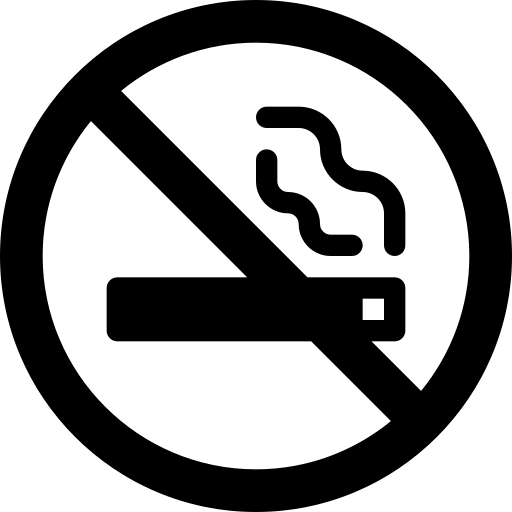
Cigarette smoking
(Women have 3x higher risk of heart attack due to cigarette smoking compared to men)

Diabetes mellitus
(Women living with diabetes are 3x more likely to die from heart disease compared to men)
5. There is a lot we can all do to help reduce the risk. Heart disease is largely preventable.
Be active, keep moving
Eat a variety of healthy foods
Manage stress
Live free from commercial tobacco and vaping
Limit alcohol
Get regular check ups
(test for blood sugars, blood pressure and cholesterol)